Industry
Adaptive Reuse Is Becoming a Business Strategy
Old factories and commercial buildings are gaining a second life for reasons that go beyond nostalgia. When the structure, location and new programme align, reuse can save time and give a project an identity that a new shell may struggle to create. The opportunity lies in treating existing buildings as working assets, not atmospheric backdrops.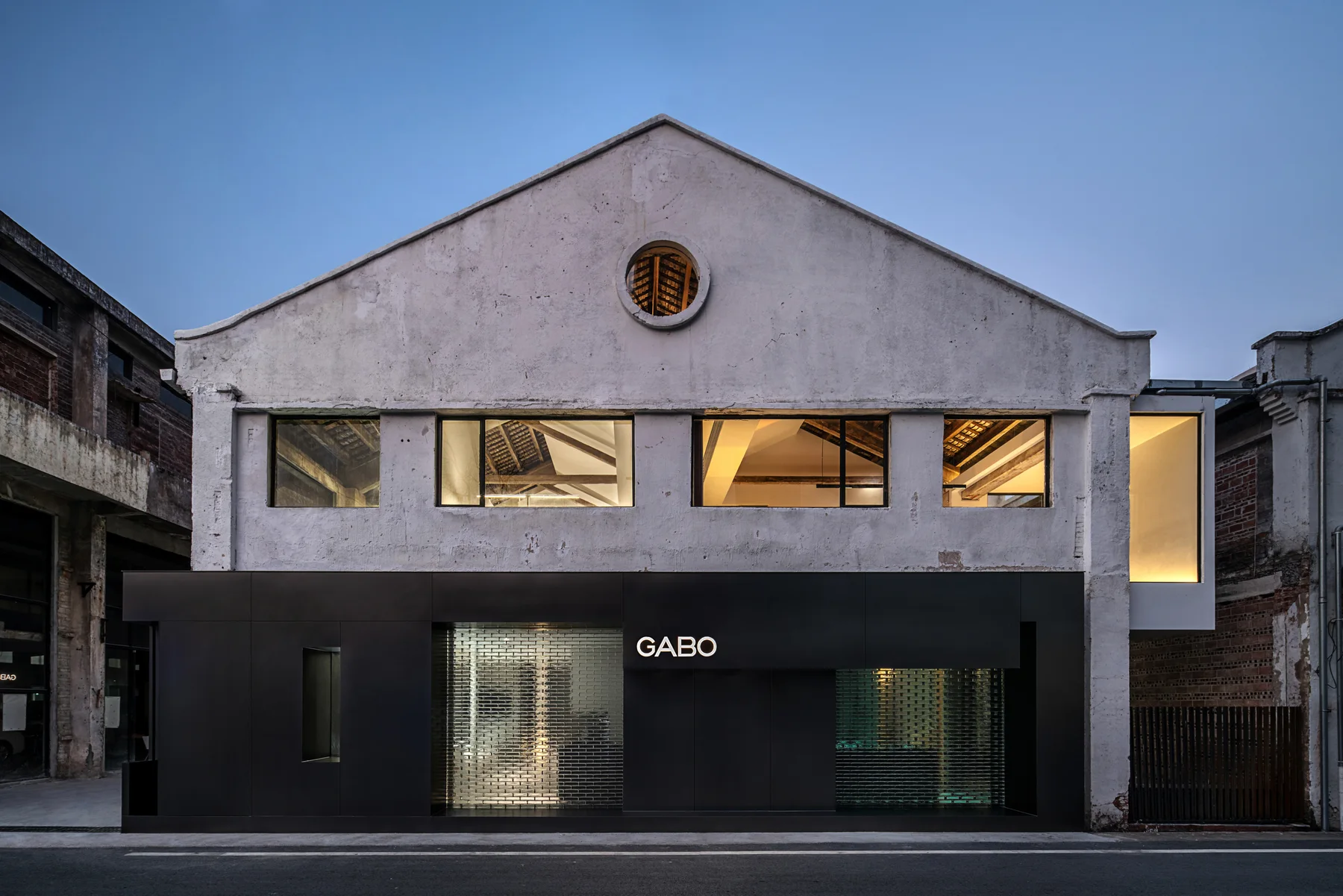
Why Owners Are Looking Again
An old factory, warehouse or commercial building is often introduced through atmosphere: weathered concrete, long-span roof trusses, high windows, traces of production. Those qualities can make a compelling opening image, but owners are looking at existing buildings for more practical reasons as well. A well-located shell may offer an address that would be difficult to assemble today. An existing structure may shorten part of the route to opening. A building with recognisable fabric can give a new brand, workplace or public programme a character that a clean new shell needs years to acquire.
None of this makes reuse automatically cheaper, faster or lower carbon. Existing buildings come with uncertainty: structure, fire strategy, services capacity, access, hazardous materials, approvals and fragmented ownership can all change a cost plan. The commercial case is strongest when a client stops treating reuse as a moral gesture or a visual theme and starts asking what the asset can do unusually well.
The AIA Guide to Building Reuse for Climate Action — opens AIA in a new tab places renovation and adaptation within the larger work of reducing emissions from existing building stock. Its value is not a simple claim that every retained building is automatically green. It is a reminder that the fabric already present and the systems required for its next life both need to be assessed. That assessment is where a viable business strategy begins.
Value and Risk in the Existing Building
Reuse creates several kinds of value, and they should not be confused. Retaining substantial fabric can avoid some demolition and replacement impacts. A distinctive shell can make a commercial programme easier to remember. A good location can support footfall, recruitment or a mixed-use proposition. A robust floorplate or loading bay may accommodate a new showroom, workshop or event use particularly well.
Each benefit has a corresponding risk. A retained façade with an inefficient new interior is not a complete environmental argument. A charismatic shell without accessible services, tenancy logic or code compliance is not a business model. A conversion that removes the very details making the building distinctive may end up carrying the risk of an old building without its advantage. The AIA’s Renovate, Retrofit, Reuse resource — opens AIA in a new tab is useful because it treats adaptation as mainstream professional work, with the same need for investigation, coordination and performance planning as a new project.
Risk should enter the brief before the concept image. Survey the structure. Understand available power, drainage and fire routes. Test the condition of the roof, envelope and floor. Identify where hazardous materials or difficult interfaces may sit. A design team cannot remove uncertainty, but it can make uncertainty visible early enough for an owner to decide where to spend and what to retain. That clarity protects design intent when the project reaches construction.
What Chinese Industrial Buildings Offer
China’s industrialising cities contain a broad and uneven inventory of buildings ready for a second life. Some former production spaces now sit beside creative offices, housing and new retail. Some remain part of active manufacturing districts. Others are not old enough to hold formal heritage status but have a material scale, service logic or local recognition that a new fit-out would struggle to invent. It is unhelpful to treat all of this stock as either disposable or untouchable.
GABO Showroom & Headquarters Office offers a focused example. The project works within a former ceramics-factory context, bringing a current headquarters and product-display programme into contact with an existing industrial shell. The strongest lesson is not that every factory should become an artful conversion. It is that retained fabric earns its place when it is useful. Existing walls, proportions and traces of construction can inform circulation, reception, display and the relationship between work and visitors. They do more than sit behind a new brand identity.
This distinction matters in a market where novelty is often expected. A new insert can be precise, bright and technologically current without hiding every sign of the building that came before it. The contrast between new metalwork, clean display surfaces and retained masonry or structure can make the programme more legible. It also gives the client a more credible story than an artificial industrial finish applied to a new box.
The UNESCO recommendation on heritage protection — opens UNESCO in a new tab is relevant not because every commercial conversion is a protected heritage project, but because it links protection, rehabilitation and appropriate use. A building needs a life in its community, not simply a preserved image.
When Reuse Becomes Viable
Adaptive reuse becomes a sound strategy when three statements can be made together. First, identify the asset that cannot be replicated: location, structure, history, material condition, public recognition or a useful spatial proportion. Second, identify the operating outcome: a showroom that can train dealers, an office that helps recruit, a hospitality venue with a distinctive arrival, or a mixed programme that keeps a site active across the day. Third, identify the non-negotiable performance work: access, fire, services, structure, maintenance and approvals.
When these statements agree, a project has a basis for choosing where to preserve, upgrade, subtract and add. When they conflict, the team should not hide the conflict behind the word “renewal”. It may be better to retain less fabric and do it properly, or to change the programme before the design is overcommitted.
China-specific practice often adds phased operations, fast supply chains, fragmented ownership and brand clients who want visible change. These conditions make early investigation even more important. Mock up difficult interfaces. Allow a budget for surveys and contingencies. Use reversible interventions where a future change is likely. Make retained elements legible enough that later contractors understand why they matter.
Adaptive reuse is becoming a business strategy because a good conversion can create something scarce: an address with evidence of a previous life, a credible relationship between a brand and its setting, and a framework for a new programme. The measure of success is not the opening photograph. It is whether the building continues to support work, visitors and its next alteration without losing the qualities that made it worth keeping.
AIA — opens AIA in a new tab, AIA — opens AIA in a new tab, UNESCO — opens UNESCO in a new tab
Sources & Further Reading
- AIAGuide to Building Reuse for Climate Action — opens AIA in a new tabApr 5, 2024 · aia.org
- AIARenovate, Retrofit, Reuse — opens AIA in a new tabNov 29, 2023 · aia.org
- UNESCORecommendation concerning protection of cultural and natural heritage — opens UNESCO in a new tabNov 16, 1972 · unesco.org
- ArchDailyAdaptive Reuse: Rethinking Carbon, Sustainability and Social Justice — opens ArchDaily in a new tabNov 2, 2021 · archdaily.com
Continue with DesignFan

DesignFan Insights