Ideas · Aug 11, 2026
DesignFan Insights
Insights
Editorial analysis for designers, studios, brands and clients — grounded in Chinese projects, practice and spatial culture.
Latest Insights
All articles
Trends · Aug 11, 2026
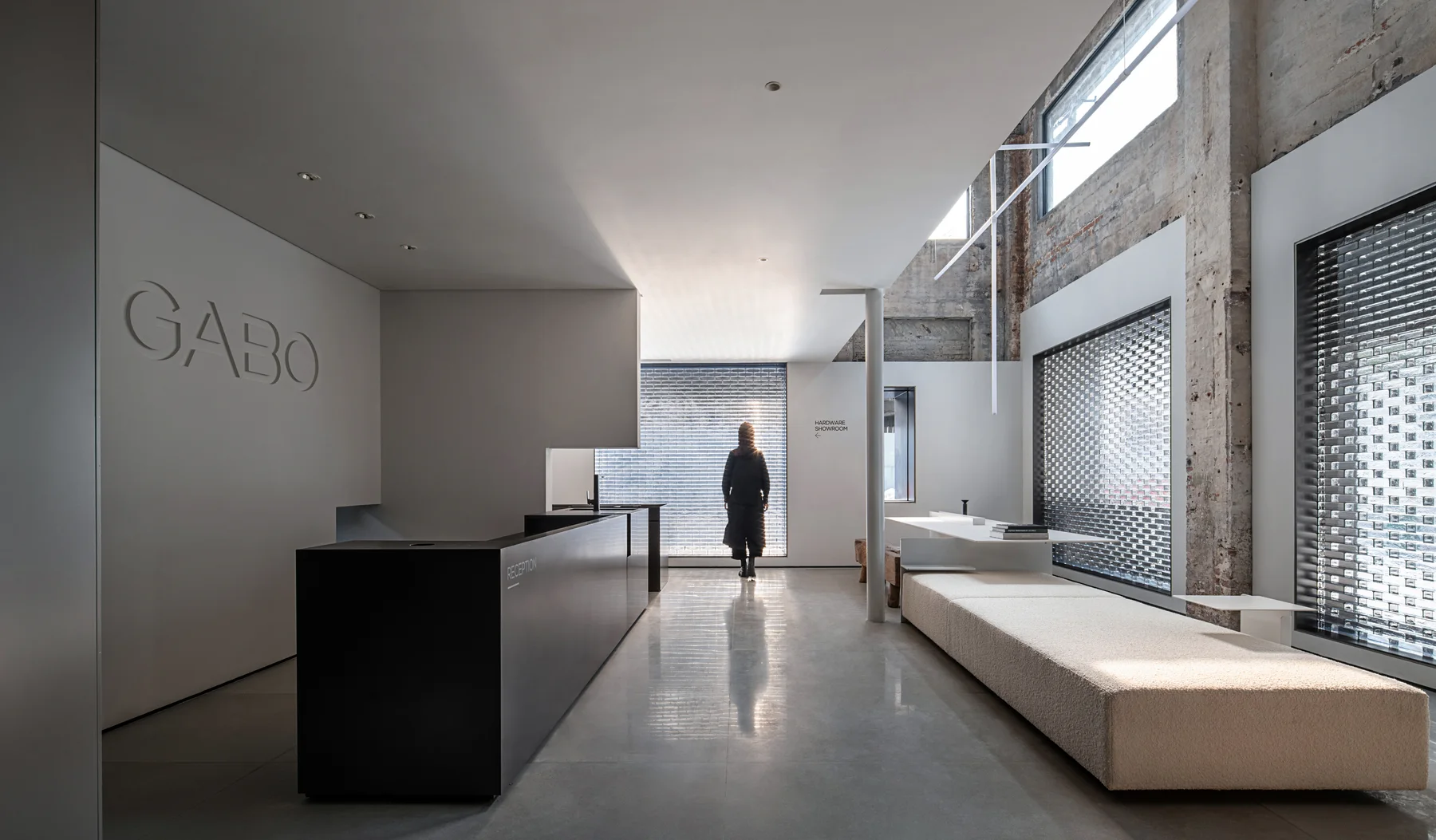
Why Chinese Showrooms Are Becoming Spatial Brands
Across China’s manufacturing cities, showrooms are taking on a larger role. They are no longer simply places to display products, but spaces where brands explain their ideas, test materials and meet the people shaping future projects. We look at how this shift is changing showroom design in Foshan and the Greater Bay Area.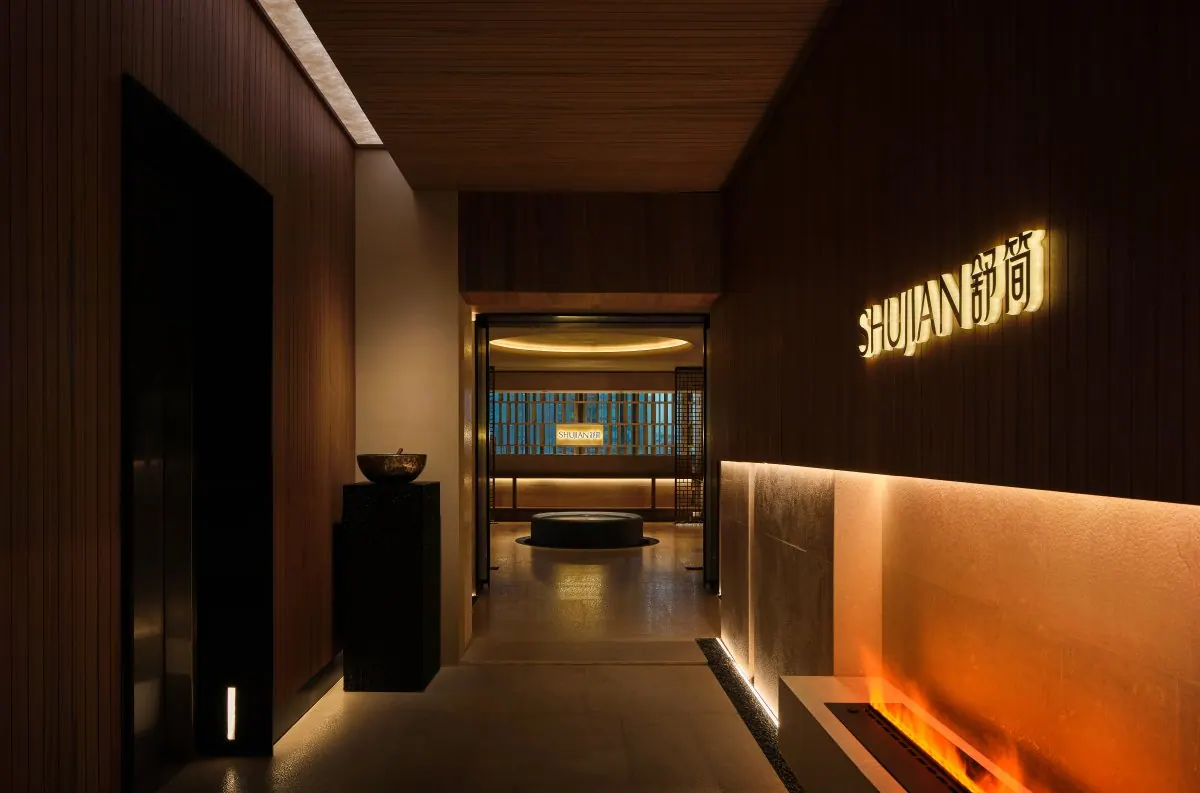
Trends · Aug 11, 2026
Wellness Design or Wellness Aesthetics?
Warm timber, soft light and indoor planting can make a space appear calm. But wellness is not created by appearance alone. Light, sound, air, temperature, privacy and movement all influence how a place feels over time. The real test is not whether a space looks restorative, but whether it supports the people using it.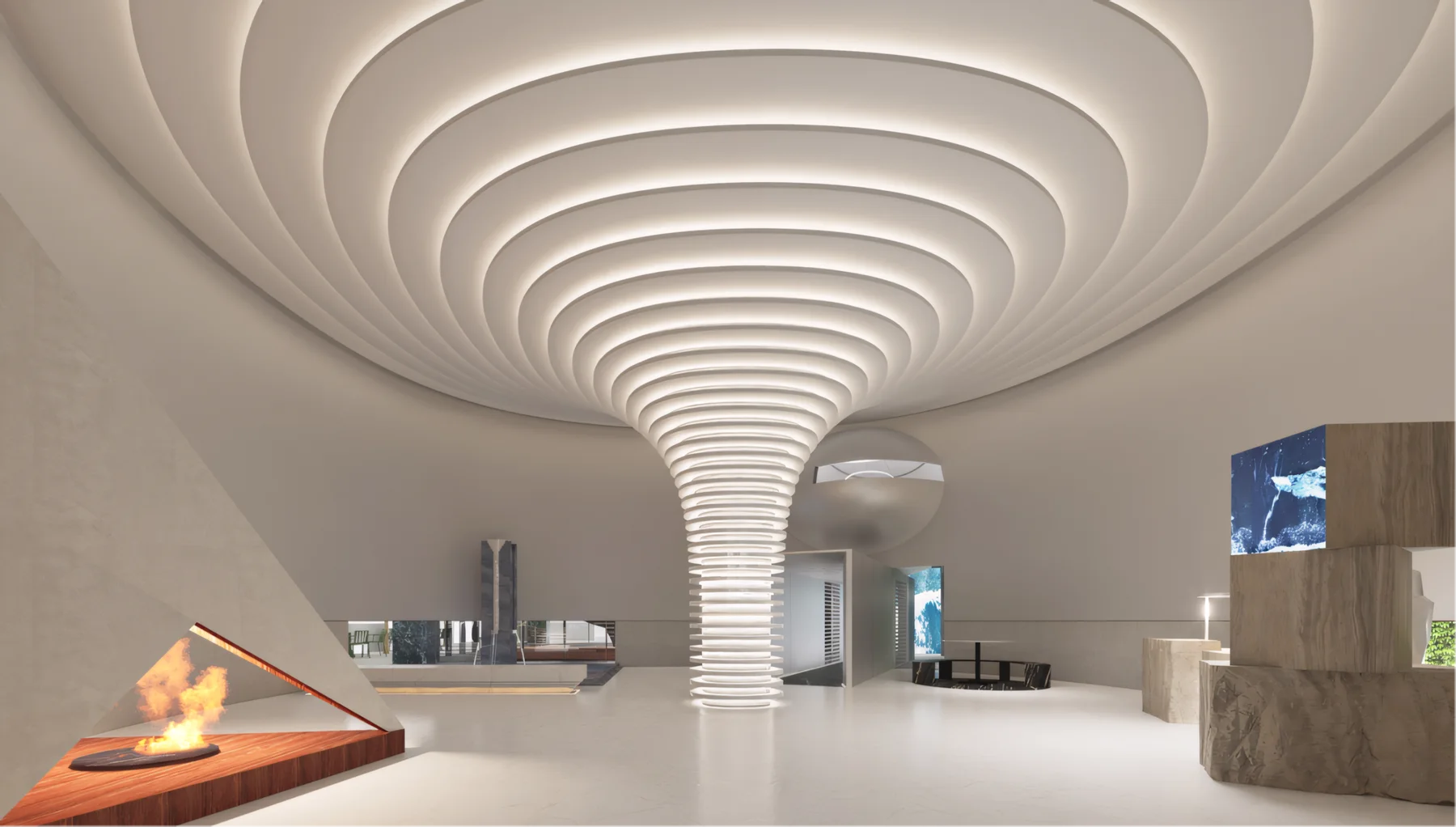
News · Aug 11, 2026
How Material Costs Are Changing Design Decisions
When material prices and lead times change, designers have to make choices earlier and communicate them more clearly. Substitution is no longer just a question of finding a cheaper finish. It also involves durability, maintenance, repairability and the original spatial idea. Good specification now requires both creative judgment and practical flexibility.
Ideas · Aug 10, 2026
Local Culture Without Decorative Clichés
Making a space feel local does not begin with a roofline, a screen pattern or a familiar colour. It begins with how people gather, how buildings respond to climate, and what local materials and skills can support. Looking at recent Chinese projects, this essay asks how cultural identity can be present without being reduced to decoration.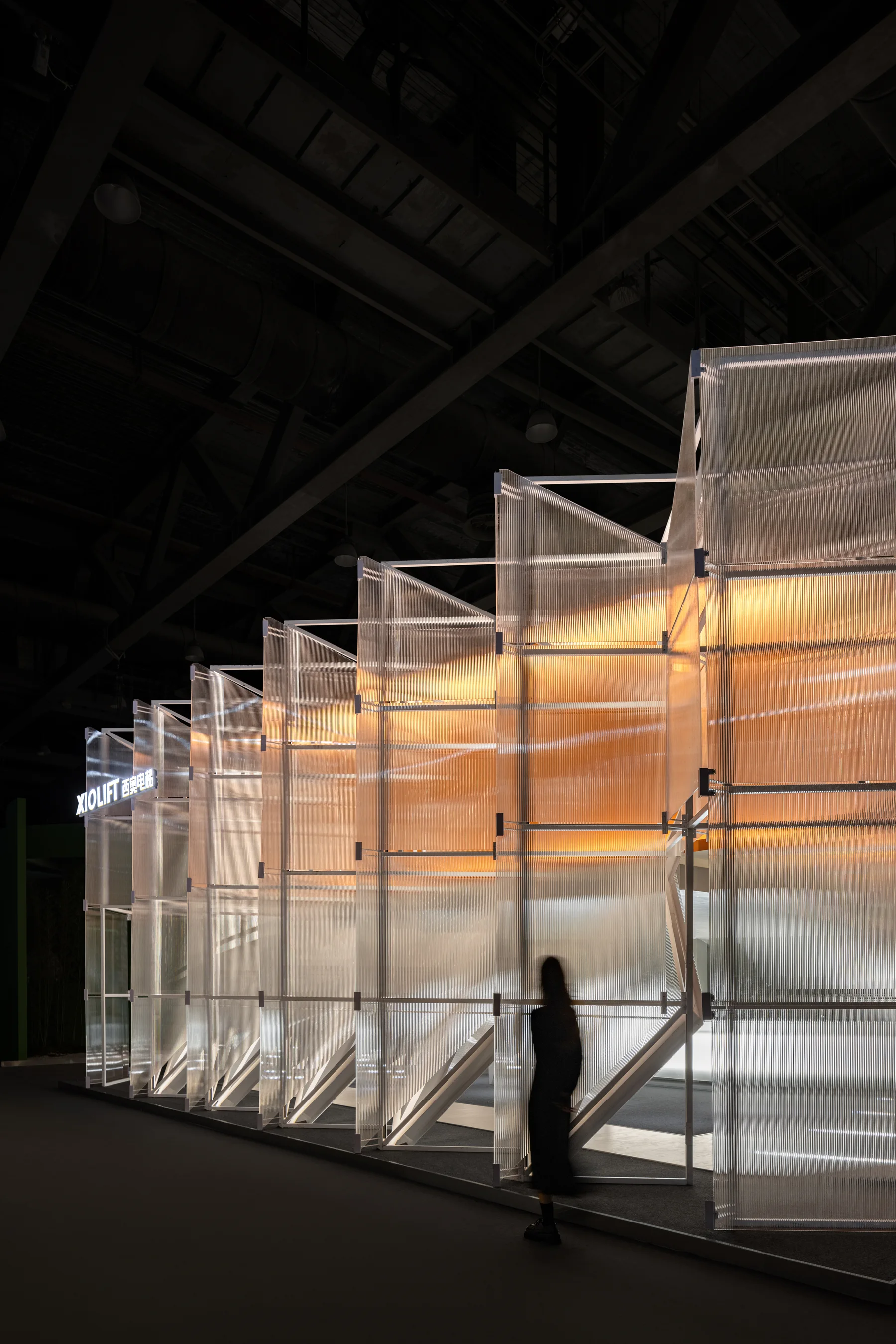
Industry · Aug 10, 2026
Beyond Pretty Surfaces: What Circular Fit-outs Require
A fit-out is not circular simply because it uses recycled finishes. The more difficult work lies in how parts are specified, fixed, maintained and eventually taken apart. In fast-changing retail and workplace interiors, designing for the next alteration can protect both material value and the original design idea.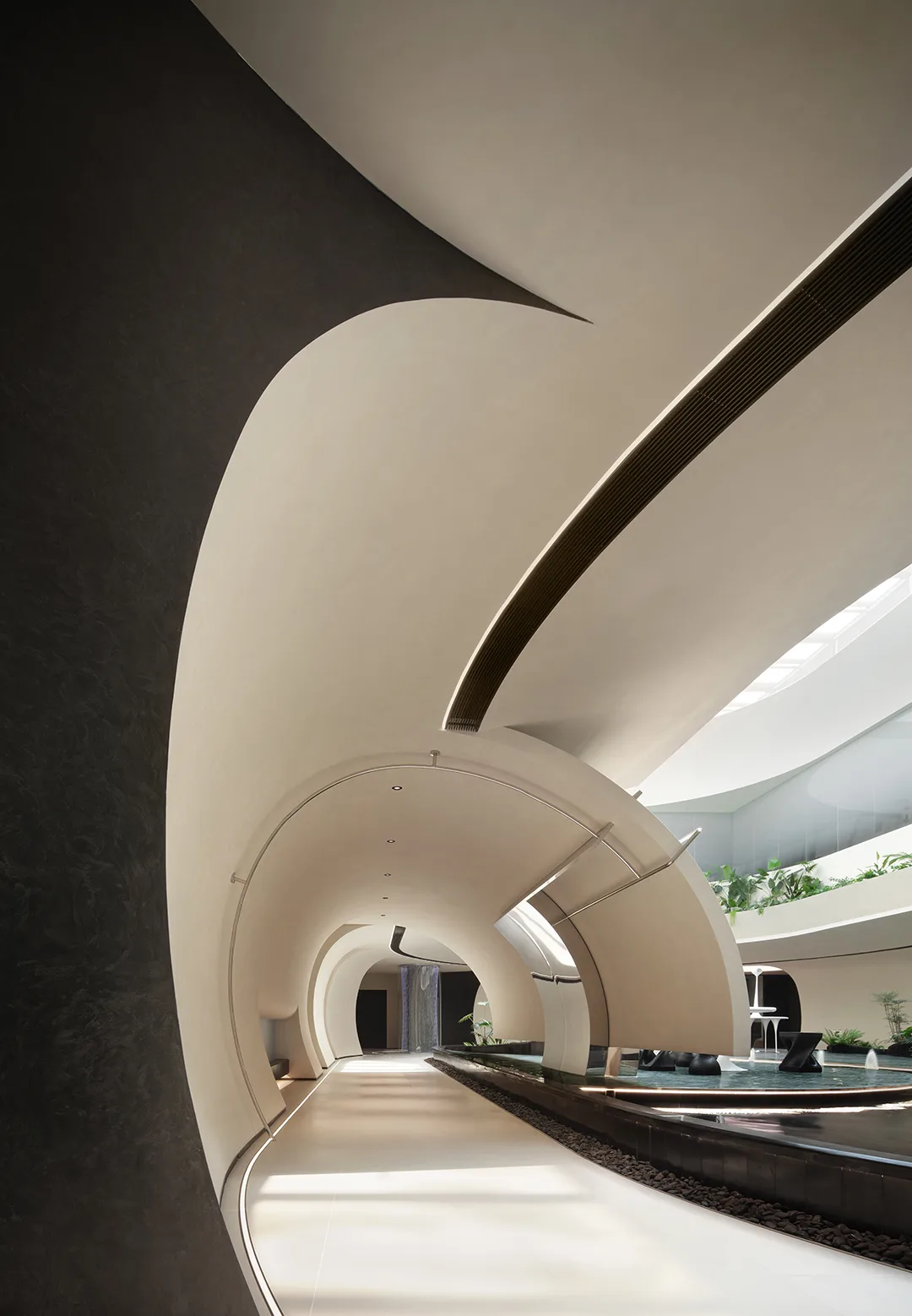
Ideas · Aug 10, 2026
AI Has Made Images Cheap. Can It Make Design Better?
Generative tools can turn a loose idea into a convincing image within minutes. What they cannot confirm is whether a space will work, be buildable or feel right in its setting. This essay looks at where AI can help Chinese design studios explore and communicate, and where human judgement still has to lead.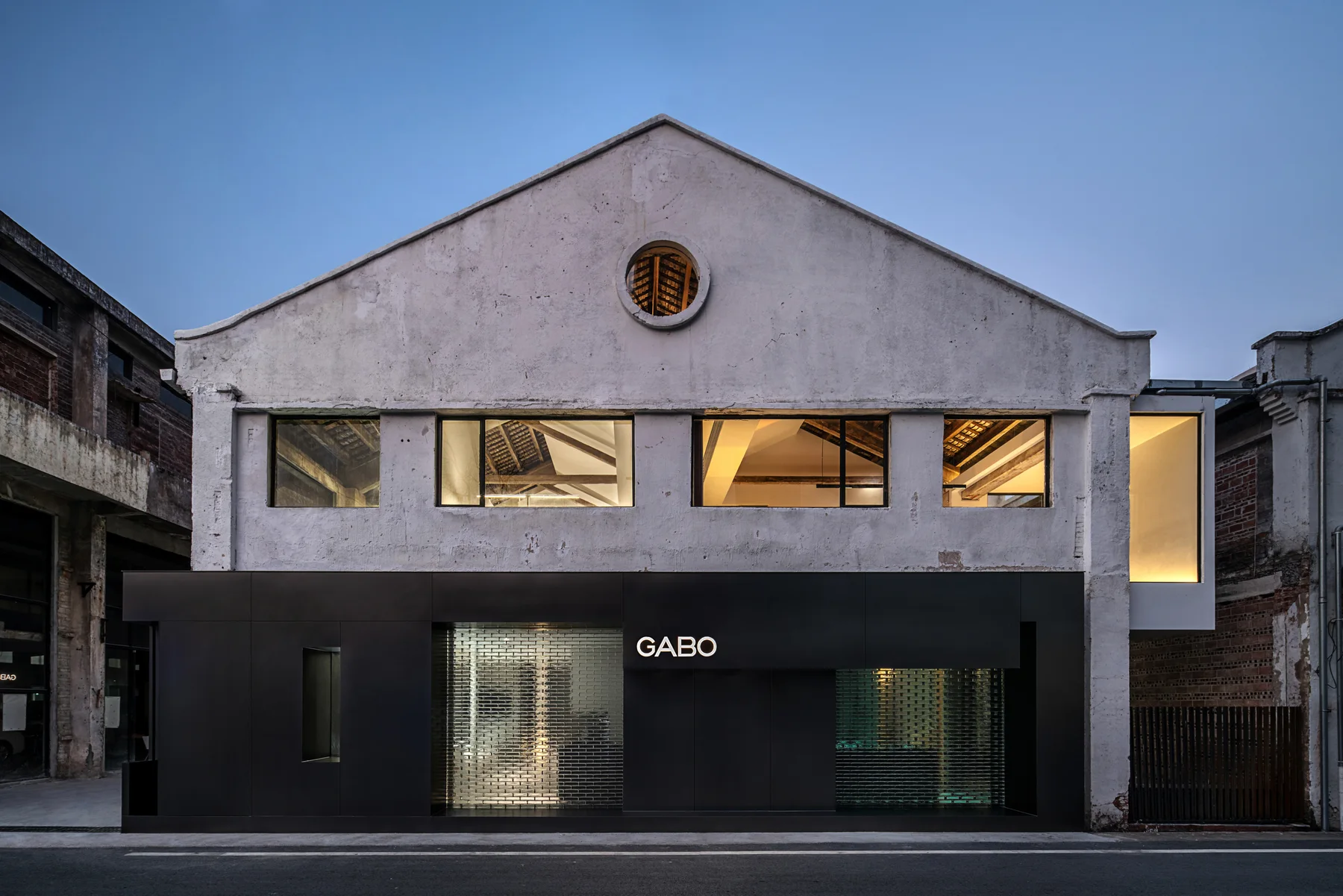
Industry · Aug 10, 2026