Ideas
Local Culture Without Decorative Clichés
Making a space feel local does not begin with a roofline, a screen pattern or a familiar colour. It begins with how people gather, how buildings respond to climate, and what local materials and skills can support. Looking at recent Chinese projects, this essay asks how cultural identity can be present without being reduced to decoration.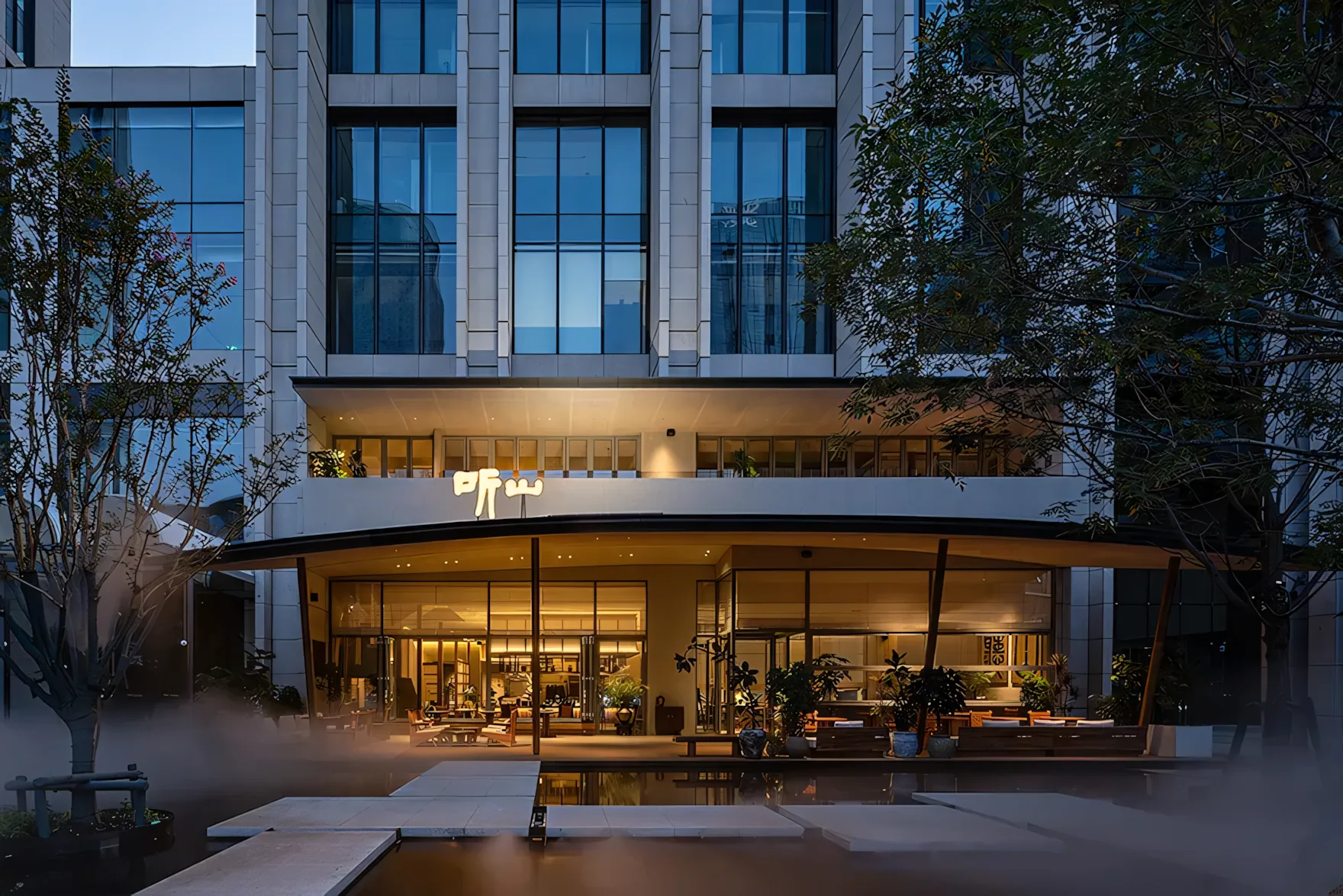
When “Local” Becomes a Shortcut
“Make it feel local” is a familiar instruction in a restaurant, hotel or retail brief. Sometimes it opens a useful discussion about place. More often, it arrives with a ready-made visual answer: a tiled roof silhouette, a carved screen, a regional colour, a row of craft objects. These things are not inherently shallow. A screen can control light and privacy; a roofline can be part of a real climatic tradition; a crafted object may carry knowledge worth keeping. The problem starts when they are detached from the conditions that gave them meaning.
A project becomes particular through many decisions that do not photograph as quickly as a motif. How does a guest leave the pavement and enter the room? Where does shade collect in the afternoon? What can be repaired by the people who will maintain the space? Which local routines need room rather than illustration? These questions change plans, thresholds, material samples and service routes. They are harder to copy from an image search, which is exactly why they matter.
The pressure to use a shortcut is understandable. Commercial interiors are expected to be recognisable within seconds, both in person and on a phone screen. Yet a recognisable image can produce a generic experience when the dining room ignores heat, the entry sequence ignores the street, or an imported finish is used where a local material would weather better. Culture is not made more present by repeating a symbol more often.
Culture Is Lived Before It Is Styled
The UNESCO Urban Heritage Atlas — opens UNESCO World Heritage Centre in a new tab treats built fabric, landscape, local communities and intangible practices as connected parts of a place. That is a practical starting point for design research. In a hot, wet city, the relevant local knowledge may be the depth of an eave, a cross-breeze through a dining terrace, or the way a semi-open threshold lets people wait out a shower. In a workshop district, it may be the availability of a timber species, a stone yard, a metal fabricator or a repair trade. In a neighbourhood restaurant, it may be the rhythm of arrival, shared dishes, delivery access and the time people are willing to linger after a meal.
None of this requires a project to imitate an older building. It requires the team to observe before it selects a style. The UNESCO guidance on communities — opens UNESCO World Heritage Centre in a new tab is helpful here because it connects heritage with daily use rather than treating it as an isolated display. Designers do not become local experts by adding a reference to a mood board. They need conversations with people who operate, make, maintain and remember the environment. A chef may understand a threshold better than a brand deck does. A contractor may know which finish can be repaired without closing the room for a week. A neighbour may explain why a courtyard is used at one hour and avoided at another.
What Recent Chinese Projects Show
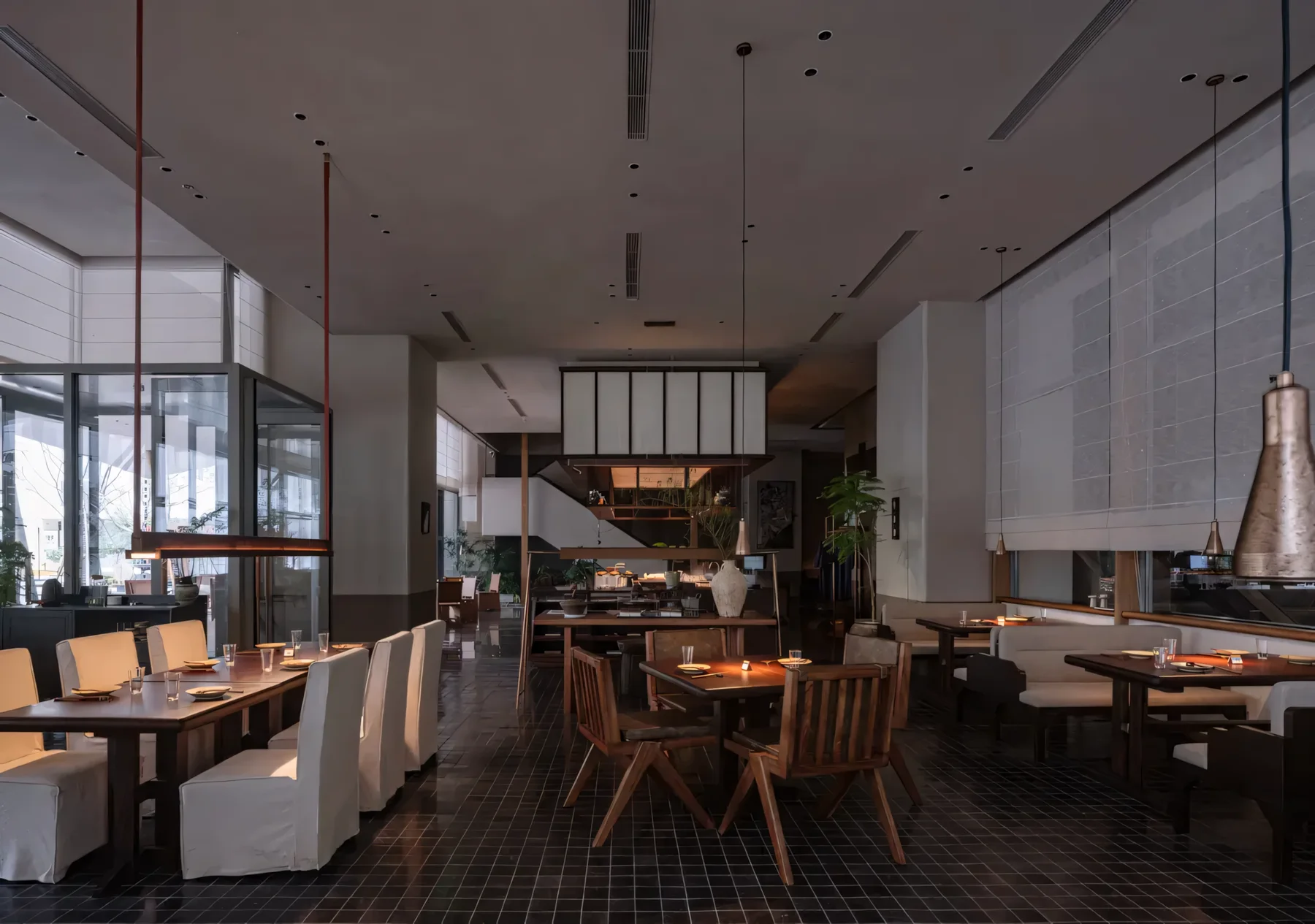
The Tingshan Natural Aesthetic Restaurant offers a useful DesignFan case because its identity is carried by relationships, not by a catalogue of signs. Eaves, terrace, courtyard stone, timber and warm light work together to slow the transition from outside to inside. The dining experience depends on shade, pause, texture and the changing distance between people and planting. Calling these elements “traditional” would miss the point. Their effect comes from the way they organise a current hospitality programme.
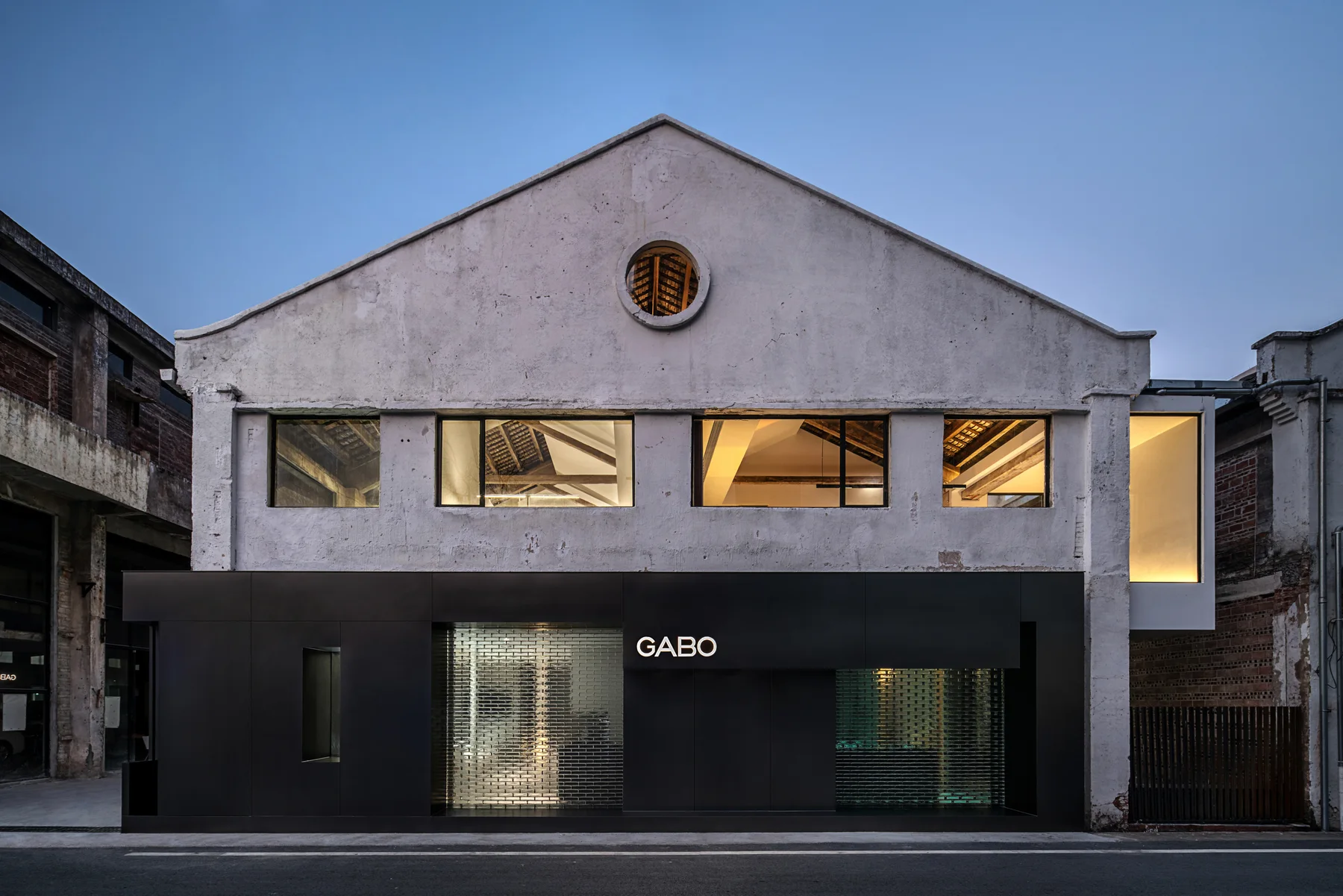
GABO Showroom & Headquarters Office makes a different argument. Its former ceramics-factory setting gives a contemporary brand programme a material and industrial context that cannot be replicated by applying a rough finish to a new shell. The retained environment becomes useful through circulation, work areas, display and the contrast between old fabric and precise new insertions. It does not need industrial traces to perform as scenery; the traces help locate the programme in a real production history.
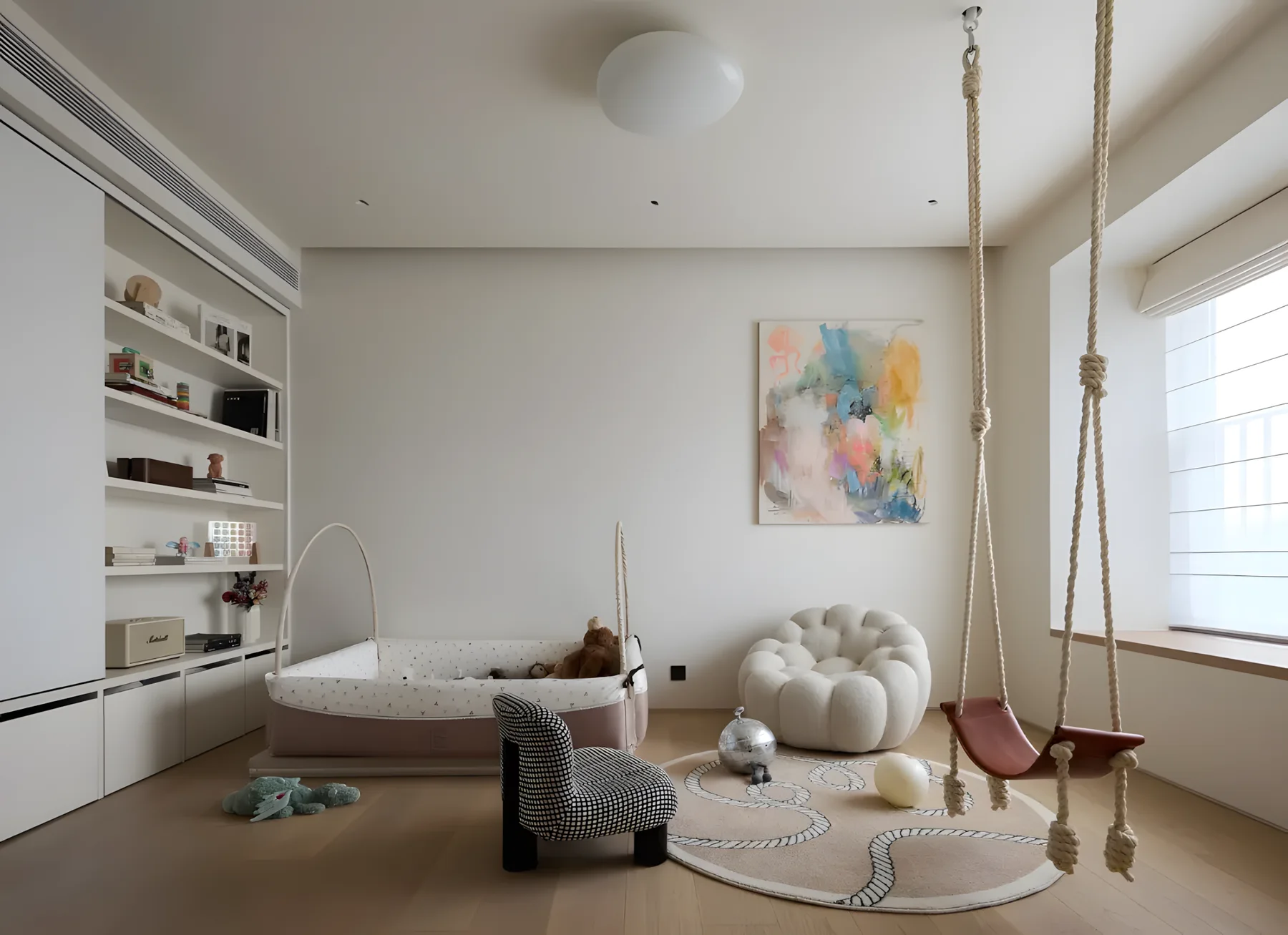
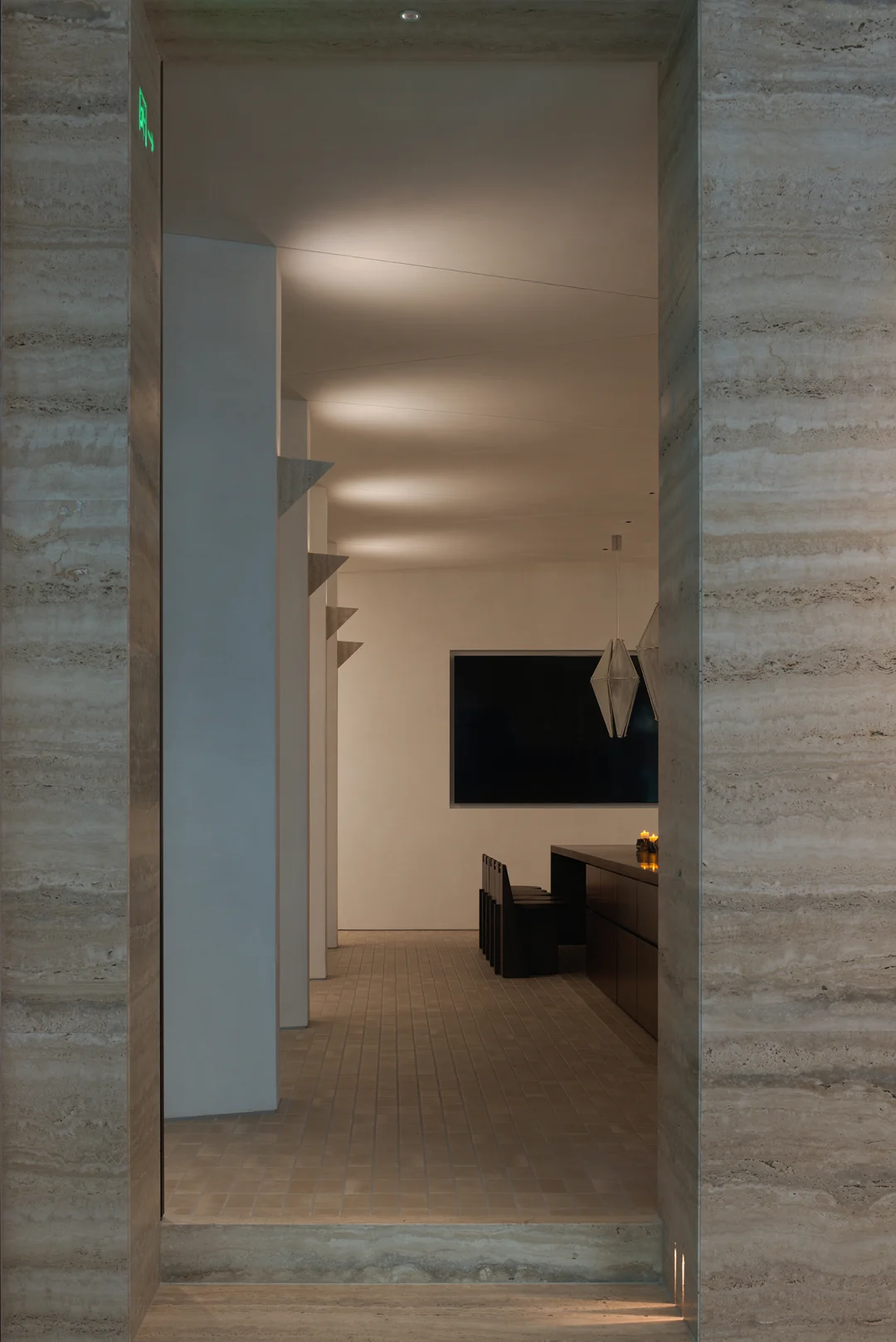
Time Modern Art Residence shows a quieter domestic version of the same discipline. Light, material weight and sequence give the interior a specific character without insisting on a regional label in every room. These projects are not templates to copy. They show that cultural character can emerge from use, construction and atmosphere when each is treated as part of the brief.
Research That Alters the Brief
Good cultural research should be able to change a decision. If it only confirms a visual theme chosen at the start, it is branding research, not design research. A team might map sun, rain and prevailing wind before fixing the extent of an outdoor dining area. It might ask a local fabricator to test a joint before specifying a hand-finished screen. It might find that a familiar material has become difficult to source responsibly, then choose a contemporary alternative rather than make a false claim of authenticity.
The UNESCO guidance on intangible heritage — opens UNESCO Intangible Cultural Heritage in a new tab also points toward a useful ethic: practical knowledge belongs to people and communities, not to a design team looking for a visual asset. Pay for research. Credit collaborators. Be cautious about using a craft language in a way that neither supports its makers nor gives it an appropriate role in the finished space. These are modest professional habits, but they prevent culture from becoming extraction dressed as sensitivity.
A More Useful Design Brief
Before a client asks for “local character”, the brief can ask four more productive questions. How does this place handle climate across the year? What ordinary social behaviour should the plan make easier? Which materials and skills can be sourced, repaired or adjusted nearby? Which histories are active enough to inform the project, rather than merely marketable enough to decorate it?
The answers will not always look nostalgic, and they should not. A new intervention may need to be visibly new to meet accessibility, hygiene or operational demands. What matters is that the project can explain its choices: why one practice was retained, another adapted and a familiar symbol left out. That explanation should be legible in the building as well as in its press text.
Local culture is therefore less a style than a discipline of attention. It asks designers to look beyond the quickest visual answer and to work with climate, labour, maintenance, ritual and daily movement. When those things are present, a space can feel rooted without turning its cultural references into a costume.
UNESCO World Heritage Centre — opens UNESCO World Heritage Centre in a new tab, UNESCO World Heritage Centre — opens UNESCO World Heritage Centre in a new tab, UNESCO Intangible Cultural Heritage — opens UNESCO Intangible Cultural Heritage in a new tab
Sources & Further Reading
- UNESCO World Heritage CentreUrban Heritage Atlas: Cultural mapping for historic cities and settlements — opens UNESCO World Heritage Centre in a new tabwhc.unesco.org
- UNESCO World Heritage CentreCommunities: Questions and Answers — opens UNESCO World Heritage Centre in a new tabwhc.unesco.org
- UNESCO Intangible Cultural HeritageGuidance Notes — opens UNESCO Intangible Cultural Heritage in a new tabich.unesco.org
- FRAMEMaison S Museum — opens FRAME in a new tabJul 1, 2024 · frameweb.com
- ArchDailyTowards a Sustainable Future: Local Materials and Methods in Contemporary Chinese Architecture — opens ArchDaily in a new tabAug 27, 2021 · archdaily.com
Continue with DesignFan

DesignFan Insights