Ideas
Why Designers Need to Sell Outcomes, Not Styles
Clients may arrive with a style in mind, but style alone does not explain what a space needs to achieve. The stronger conversation begins with everyday life: how people move, work, gather and feel. This article looks at why design becomes more valuable when it is presented through the changes it makes possible.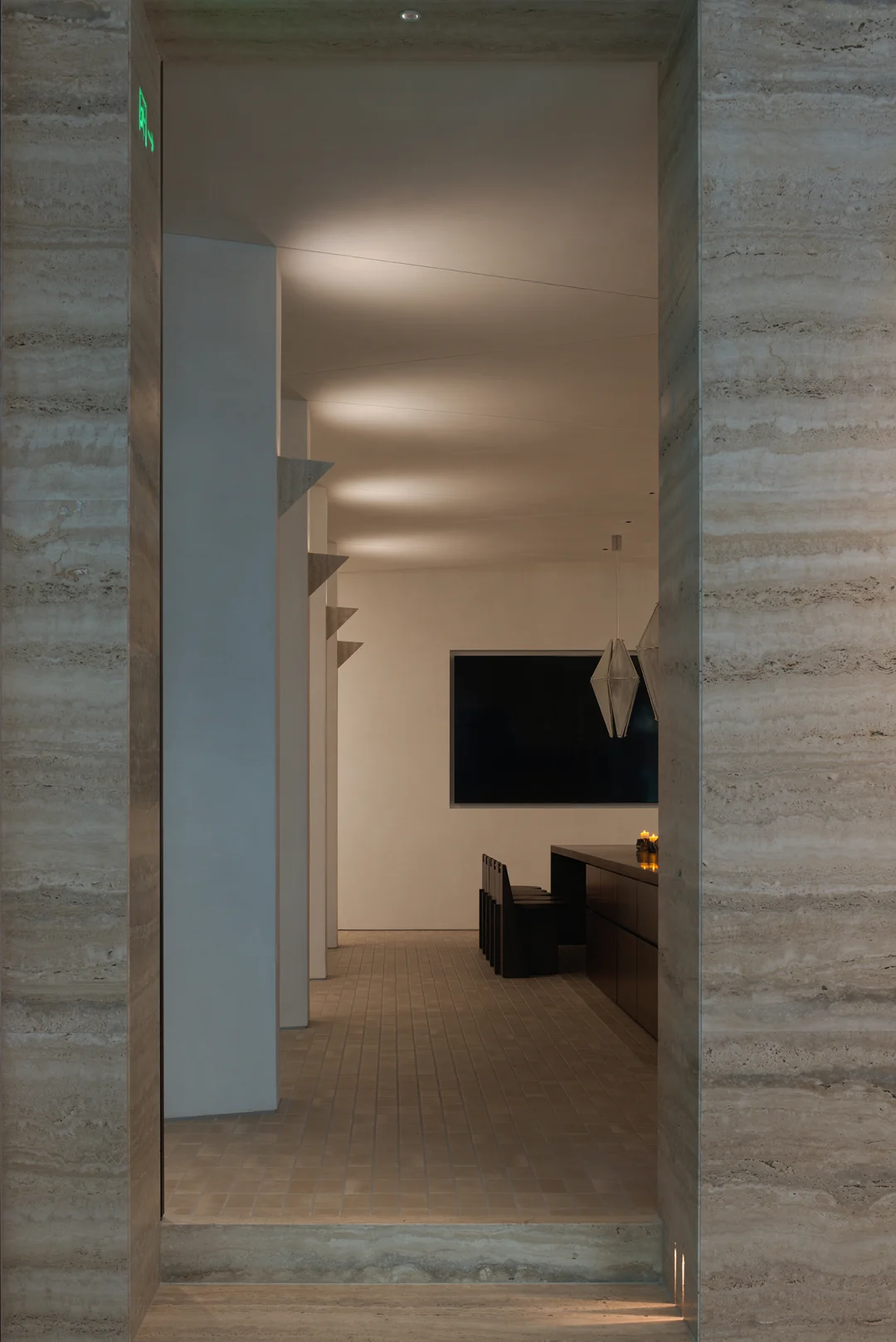
The Problem With a Recognisable Look
Many designers know the uncomfortable moment. A client admires the reference images, approves a direction, then asks why a particular lighting condition, threshold, material or circulation move deserves the cost. The practice replies with a description of the intended atmosphere. The client replies with another image that appears similar at half the price. Neither side is necessarily being unreasonable. They are working with different definitions of value.
For a long time, a recognisable style offered a useful shorthand. It helped clients select a practice and helped a studio build an identity. Style still matters: it can give a project coherence, make a place memorable and express a particular way of seeing. But it has become a weaker defence on its own. Reference platforms have made visual languages immediately available, and generative AI can now create dozens of persuasive versions of almost any mood in minutes. A distinctive image can attract attention without explaining what the space will enable once people enter it.
The harder and more useful question is therefore not, “What style are we selling?” It is, “What changes should this design make possible, and how will the team know whether its decisions supported them?” This is not a request for designers to become sales trainers, or to promise a commercial conversion rate they cannot control. It is a request for a more exact conversation between visual intention, use and responsibility.
Style, Outcome and Measurable Value
Style is a language of form, material, proportion and atmosphere. It can be deeply intelligent. An outcome is different: it is an intended consequence for people, operations or the wider environment. A clearer customer journey, a more legible product comparison, a workplace that supports both concentration and exchange, or a restaurant arrival that allows guests to slow down are outcomes. They require design, but they cannot be captured only by an image.
Measurable value sits beside outcomes, not above them. Some outcomes can be measured directly: dwell time in a given area, maintenance incidents, acoustic readings, use of bookable rooms, energy demand, or feedback collected after occupation. Others are qualitative but still observable: whether staff can explain a product without improvising around an awkward display; whether a guest understands where to go; whether a team chooses to use a shared table rather than avoiding it. The point is not to pretend every spatial experience has a single metric. It is to identify evidence before the project is used to justify a conclusion after it.
ASID's Outcome of Design framework — opens asid.org in a new tab is useful because it treats design impact as a conversation about people, place and planet, including social, environmental and financial value. Its Impact of Design series — opens asid.org in a new tab also foregrounds pre- and post-occupancy research. For DesignFan, the relevant lesson is modest: a practice should be able to say what it is trying to improve and what evidence would challenge its assumption. That is much more credible than claiming that a fashionable image automatically creates value.
Why the Distinction Matters Now
AI intensifies the distinction. A generated render can make a concept look resolved before its site, brief, construction method or maintenance strategy has been tested. This can be useful in early conversations, but it also creates a new form of ambiguity. A client may see a promise where the studio intended a prompt. The answer is not to suppress images. It is to label their role and pair them with the questions they cannot answer: How will the route work at a busy moment? What does the finish look like at full scale? Who cleans it? What has to remain flexible when the brand changes?
ArchDaily's discussion of performance in architecture and design firms — opens archdaily.com in a new tab makes a related case for choosing measures that reflect more than a firm's appearance. It is primarily about practice performance, but its larger point applies to a project brief: a single indicator can be misleading. Financial, operational, creative and relationship factors need to be read together. The same applies to a space. A visually powerful restaurant may still make service difficult; a refined showroom may fail to support a technical conversation; a lively office may offer no place to focus.
This is not an argument for an anti-aesthetic professionalism. The visual character of a space can be part of the outcome: it can signal care, confidence, welcome or distinctiveness. The problem begins when it is treated as sufficient evidence. If every decision has to be defended by its image alone, the first value-engineering round will reduce design to a contest of cheaper resemblance.
The China / DesignFan Perspective
China's design economy makes this especially visible. Brands often need spaces to work hard: as sales environment, material library, hospitality setting, training room, media backdrop and client meeting place. A studio that sells only a look leaves the client to discover those operational demands later. A studio that sells outcomes can ask sharper questions before the plan is fixed.
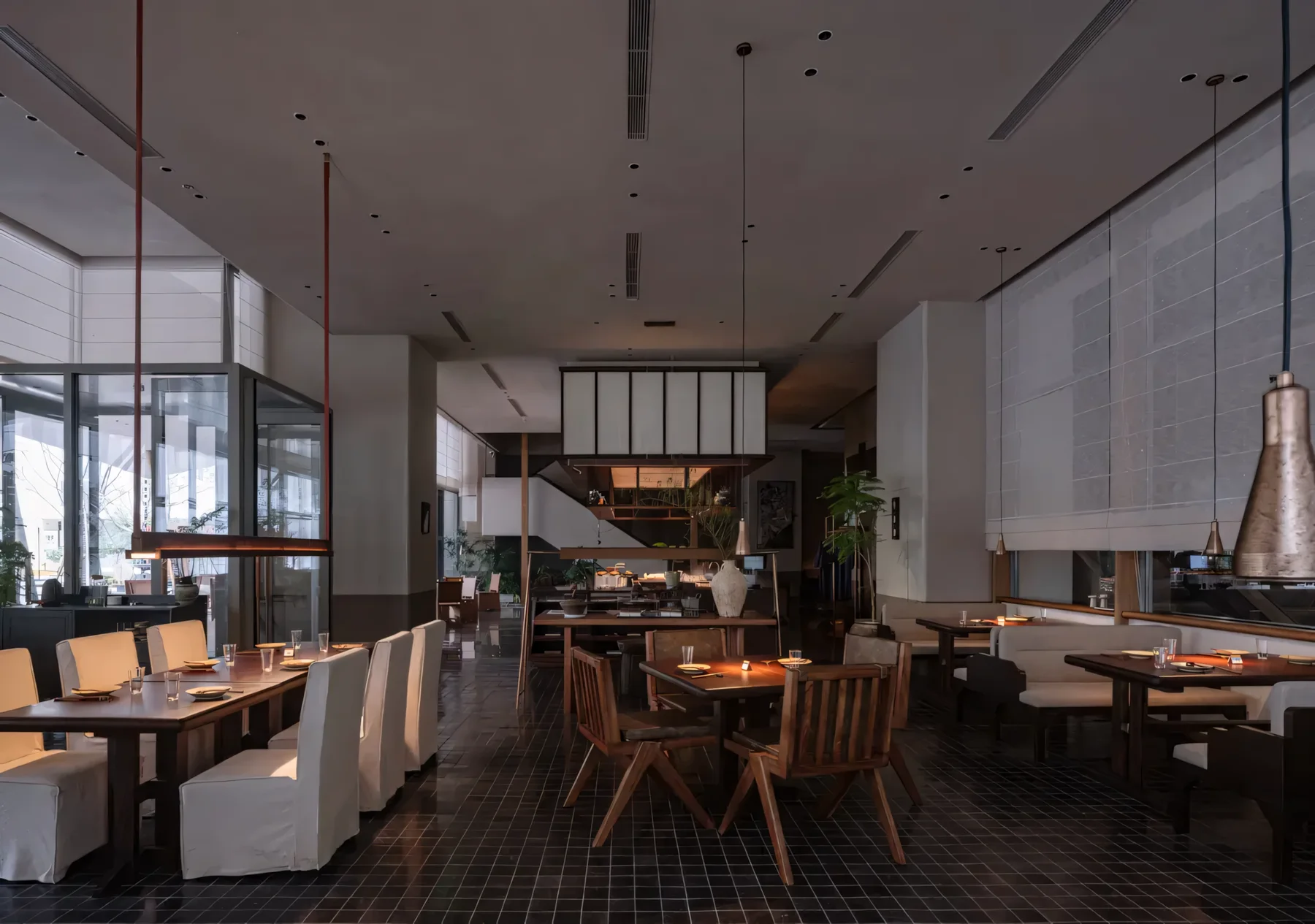
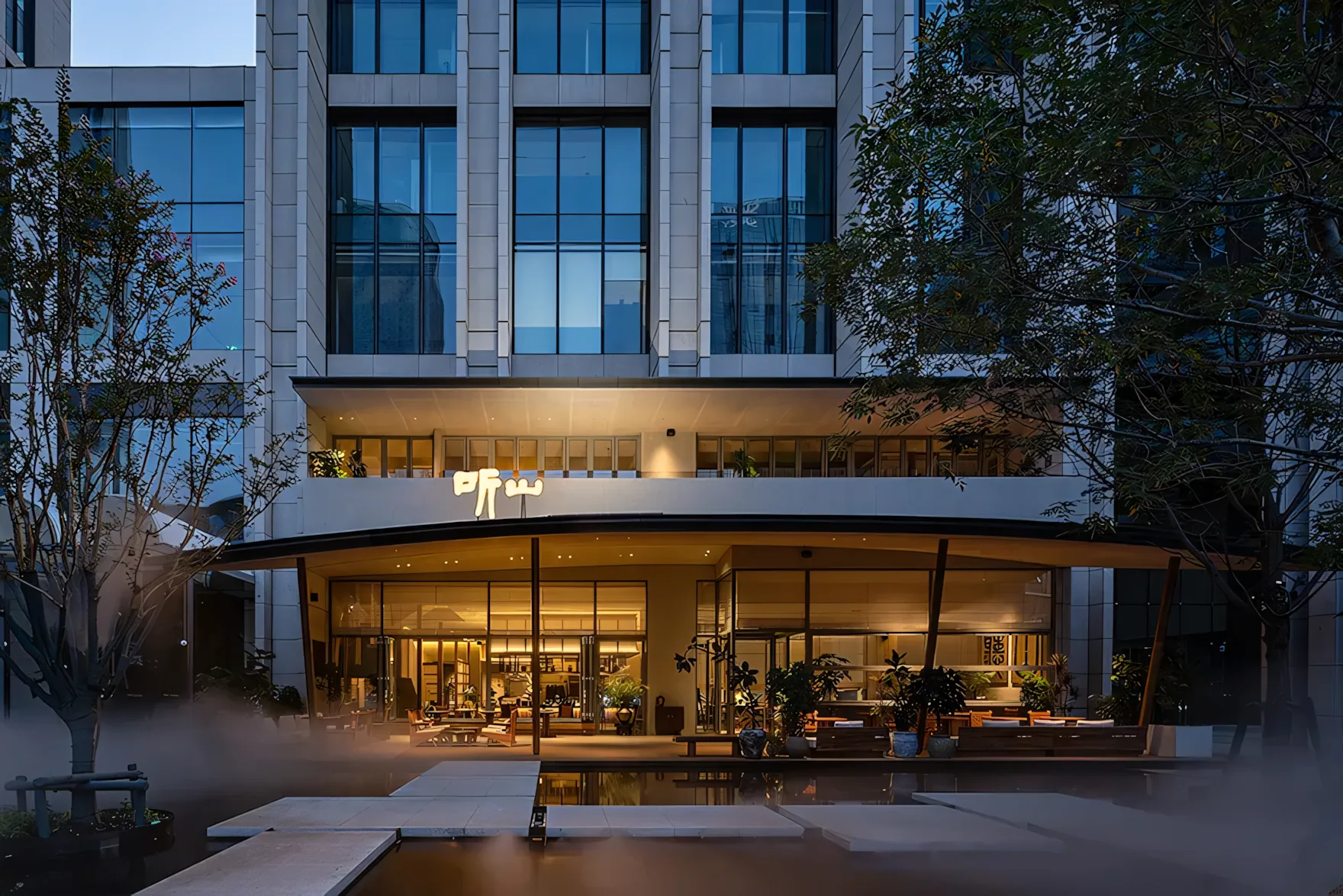
The Wazzor Greater Bay Area Flagship Store offers a useful DesignFan case. Its value is not simply that it looks like a branded environment; the spatial sequence gives a systems product a route through which visitors can compare applications and start a more informed conversation. Tingshan Natural Aesthetic Restaurant demonstrates a different kind of outcome. Eaves, terrace, stone, timber and warm light organise an arrival and dining tempo. The project does not need to claim a quantified business result to show that design can shape how guests pause and gather.
GABO Showroom & Headquarters Office provides a third perspective. By working with the fabric of a former ceramics factory, the project gives a current showroom and workplace a relationship to making and material memory. Its significance is not a nostalgic industrial image. It is the way an existing setting can support a brand's credibility, work routines and visitor experience at the same time.
Designboom's account of an experience-led showroom organised around movement — opens designboom.com in a new tab offers an external parallel: circulation, discussion and product exploration can form one system rather than separate scenes. This does not prove that every showroom needs a loop. It shows why operational choreography is a legitimate design subject.
A Better Client Conversation
An outcome-led brief should remain short enough to be useful. It can name three or four desired changes, the spatial decisions intended to support them, and the evidence the team will review. For example: make product comparison easier; protect a calmer arrival; support private and group consultation; keep a display system adaptable. The designer can then explain why a detail, dimension or material investment matters without converting every choice into a sales claim.
This method also creates a healthier boundary. Design can support customer confidence, employee comfort or more efficient movement; it cannot guarantee revenue, loyalty or productivity in isolation from product, service, management and market conditions. Being precise about that boundary makes the practice more trustworthy, not less ambitious.
Editorial Conclusion
Designers should not stop making style. Style is often the visible result of attention, editing and spatial judgement. But when style is the only value offered, it becomes easy to imitate and easy to discount.
DesignFan's view is that a practice gains authority when it can explain both the character of a space and the consequence it intends to support. The most compelling project is not the one that looks least like anyone else. It is the one whose visual language, operations and human experience remain coherent when the client asks the question that follows every image: what, exactly, will this help us do better?
AIA — opens AIA in a new tab, JLL — opens JLL in a new tab, Designboom — opens Designboom in a new tab
Sources & Further Reading
- AIAResource center: practice resources — opens AIA in a new tabaia.org
- JLLShifting priorities in retail design — opens JLL in a new tabOct 1, 2025 · jll.com
- DesignboomLuca Nichetto envisions ZaoZuo's Beijing showroom — opens Designboom in a new tabJul 22, 2016 · designboom.com
Continue with DesignFan
DesignFan Insights